BIWIN Storage Technology Co., Ltd. (“BIWIN”), a leading innovator in embedded storage solutions, is pleased to announce its participation in Embedded World 2025, held from March 11th to 13th in Nuremberg, Germany. As one of the premier events for embedded systems, Embedded World serves as a critical platform for industry professionals to explore the latest technologies, and BIWIN will showcase its newest advancements in embedded memory and storage solutions to meet the growing demands of the market.

Empowering Embedded Systems with High-Performance Memory Solutions:
BIWIN ePOP4X
BIWIN ePOP4X is a high-performance, highly integrated semiconductor storage solution featuring a 144-ball chip (64 GB + 3 GB). Engineered for next-generation wearable devices and AI-driven applications, it is designed to meet the demanding storage and space constraints of modern tech. BIWIN ePOP4X combines eMMC 5.1 and LPDDR4X, maximizing space efficiency while offering impressive data transfer speeds and lower power consumption. Engineered for high durability and exceptional performance, the ePOP4X is ideal for smartphones, tablets, and smart wearables, ensuring reliable operation in demanding environments.

BIWIN LPDDR5X
BIWIN LPDDR5X offers data transfer rates up to 8533 Mbps, providing exceptional speed and efficiency for data-heavy applications such as 5G, AI, and high-performance mobile computing. With a capacity of 16 GB, the LPDDR5X supports intensive tasks while maintaining energy efficiency through Dynamic Voltage and Frequency Scaling (DVFS) and ECC (Error Correcting Code) for enhanced data integrity.

Delivering Reliable Storage for Automotive and Industrial Applications:
BIWIN eMMC
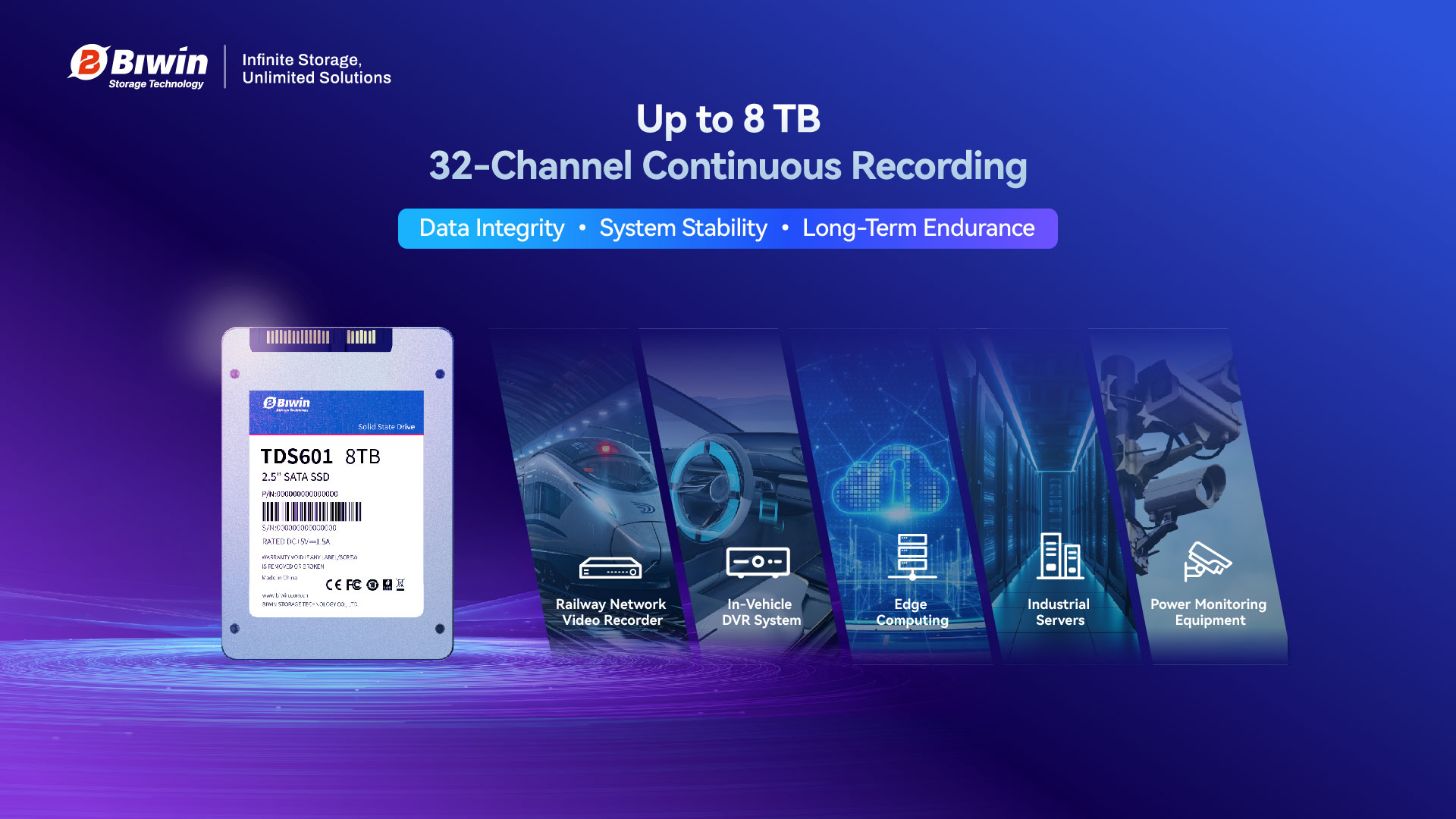
BIWIN Industrial Wide-Temperature eMMC (TGE208 & TGE218) is designed for high-demand industrial applications, offering a perfect balance of performance, durability, and energy efficiency. Built to withstand harsh environments with a wide operating temperature range of -40°C to 85°C, the eMMC 5.1 protocol delivers consistent performance and data reliability even under extreme conditions. With sequential read/write speeds up to 320 MB/s and 230 MB/s, it ensures fast, stable data transfer in applications such as automation, IoT, and surveillance. The inclusion of pSLC (Pseudo SLC) further enhances data reliability, increasing storage endurance while reducing the risk of data corruption.

BIWIN DDR4 ECC SODIMM & ECC UDIMM
BIWIN industrial wide-temperature DDR4 ECC SODIMM & ECC UDIMM memory modules deliver high-performance, reliable data storage solutions for mission-critical applications, operating within a temperature range of -40°C to +85°C. The advanced ECC (Error-Correcting Code) technology ensures data integrity by detecting and correcting errors, maintaining the stability and reliability of critical systems. With data transfer rates up to 3200 MT/s, the modules ensure efficient flow for demanding data transmission needs. Rigorously tested and built with 30µ” gold fingers, these modules guarantee long-term reliability in harsh conditions. BIWIN ECC SODIMM and ECC UDIMM empower smooth, efficient operations across applications, including industrial automation, intelligent manufacturing and AI-driven applications.

Redefining Mobile Storage with Fast, Compact, High-Speed Solutions:
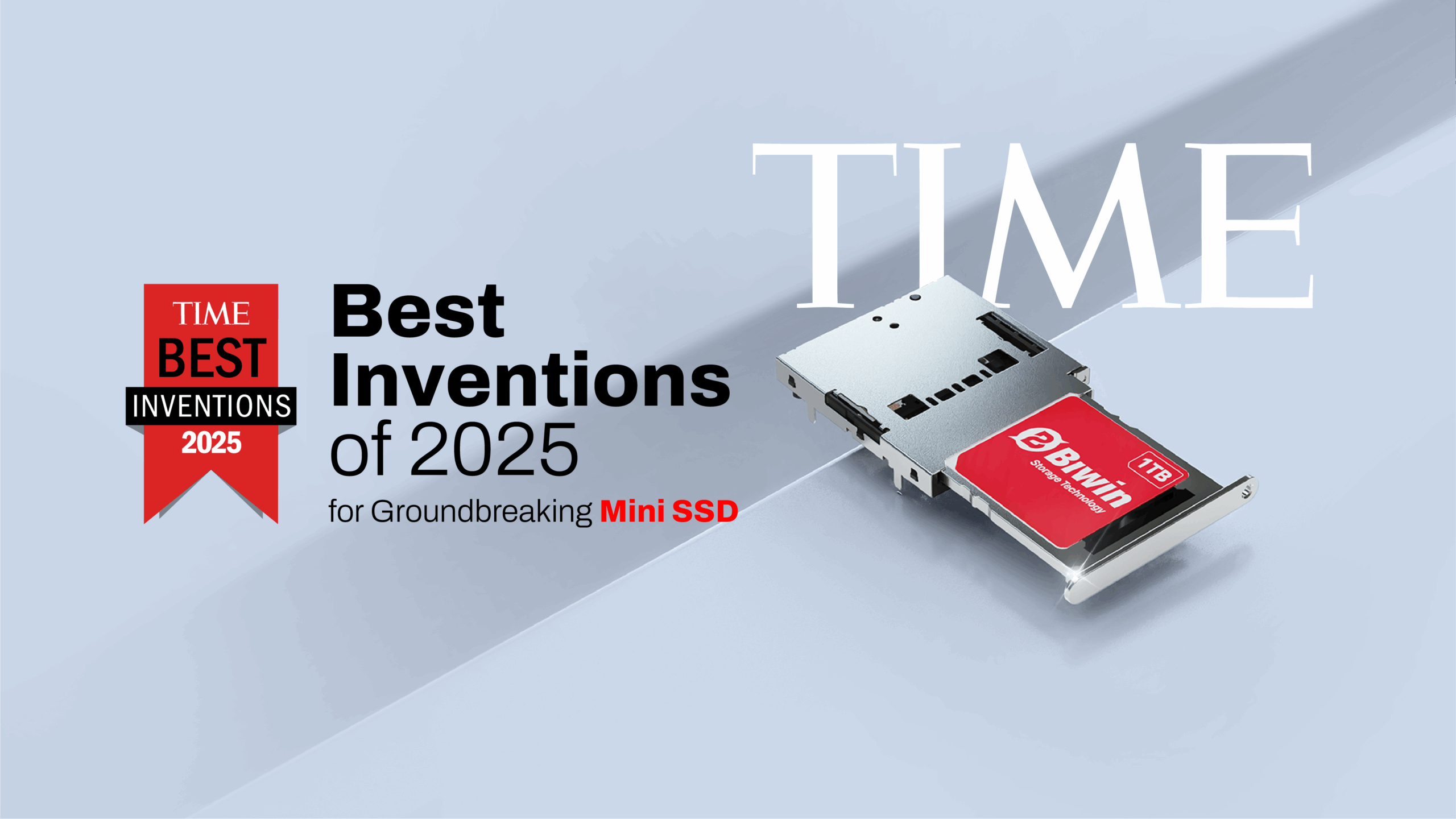
BIWIN Mini SSD: Faster Speed for Compact Storage Applications
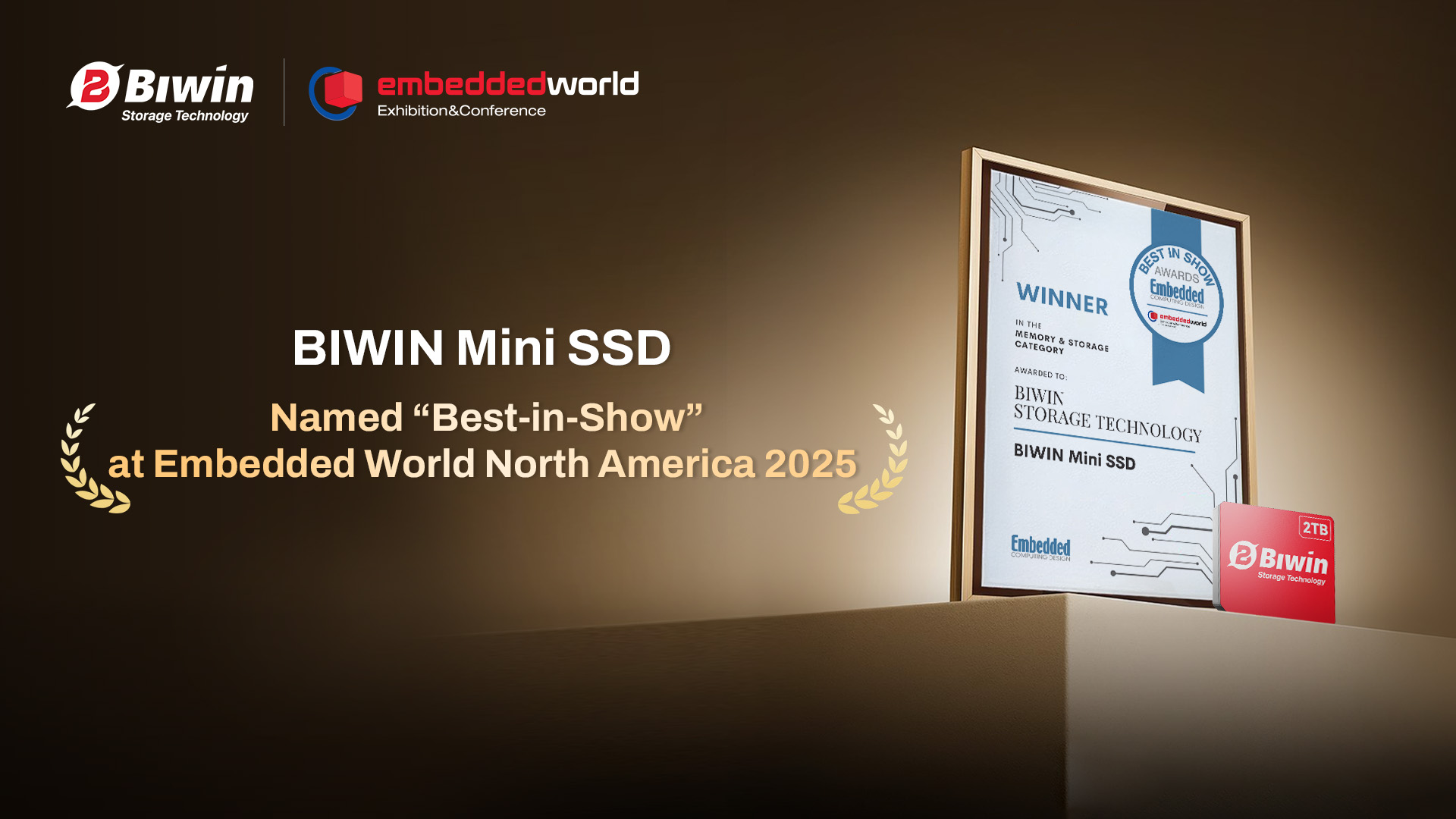
BIWIN Mini SSD represents a breakthrough in storage design, utilizing LGA packaging technology to integrate the controller and flash memory into a super-compact form factor. Measuring just 15.0 × 17.0 × 1.4 mm, this next-gen SSD can deliver read speeds of up to 3700 MB/s and write speeds of up to 3400 MB/s. With IP68-rated dust and water resistance and the ability to withstand drops up to 3 meters, the Mini SSD meets the rigorous demand for size, speed and performance in industrial environments, mobile devices, and edge computing applications.

Driving Innovation for PC OEMs with High-Speed Storage Solutions:
BIWIN AP843 SSD:
BIWIN introduces the AP843 PCIe SSD, featuring a DRAM-less design that delivers high performance, large capacity, compatibility, and exceptional reliability. Leveraging the power of the PCIe Gen4x4 interface, BIWIN AP843 SSD delivers sequential read speeds up to 7400 MB/s and write speeds up to 6700 MB/s. Optimized with SLC cache, intelligent thermal management, and power efficiency, the AP843 ensures sustained, efficient performance. The SSD also prioritizes data integrity with AES/SM4 hardware encryption and TCG Pyrite 2.0 encryption technology, providing robust protection for critical data. Available in capacities ranging from 512 GB to 4 TB, it offers versatile storage options suitable for desktops, laptops, and all-in-one computers, fully compatible with major CPU platforms and operating systems.

Enhancing Data Management and Storage Efficiency for Enterprises:
BIWIN SP506/516 PCIe Gen5 SSD:
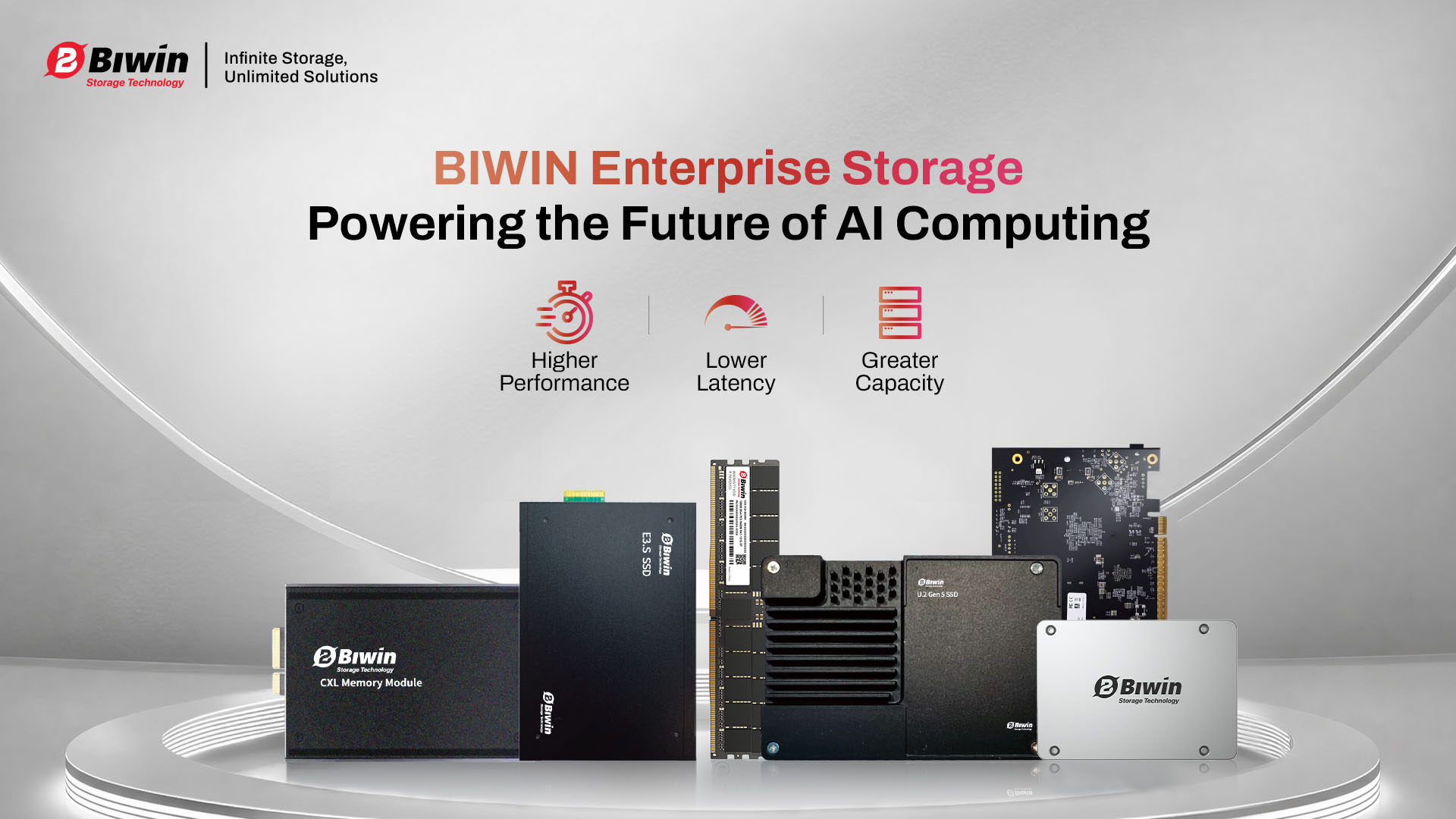
For enterprises seeking high-capacity, high-speed storage solutions, the BIWIN SP506/516 series uses the PCIe Gen5x4 interface and offers double the bandwidth of PCIe Gen4. With capacities ranging from 2 TB to 16 TB, these drives are built to meet the growing demands of next-generation data centers, AI applications, and cloud computing. Featuring advanced security features like AES256 encryption, Secure Boot, and E2E Data Protection, the SP506/516 series ensures the highest standards of data protection and reliability.

Visit BIWIN at Embedded World 2025
Experience firsthand BIWIN’s latest storage innovations at Embedded World 2025. Visit us at Booth #1-140 to explore our cutting-edge storage solutions for automotive, embedded, PC OEM, and enterprise applications.
About BIWIN
BIWIN Storage Technology CO., Ltd. (SSE STAR Market, Stock Symbol: 688525) produces high quality NAND flash storage and is known in embedded, consumer, corporate and industrial segments for its independent development capabilities in hardware, software, firmware and storage algorithms.
Our founders started in the flash storage business in 1995, in Shenzhen, China, embracing the “WIN-WIN” business philosophy that would later become the hallmark for BIWIN.
In 2009, they made a key decision for the business: to add IC encapsulation (or IC packaging) process into the factory. A remarkable milestone that the vast majority of competing companies still don’t have (they outsource the process or buy the packaged IC). This successful step led to the 2010 creation of the company we know today.